








Not every separation needs to go to court — and in Alberta, courts actively encourage families to try alternatives first. Understanding the real differences between mediation and litigation helps you choose the path that fits your situation, rather than defaulting to the most adversarial option.
How Mediation Works
A neutral, trained mediator helps both parties negotiate a resolution on parenting, support, and property issues. Mediation is voluntary, confidential, and non-binding until the parties sign a formal separation agreement — but it's often faster and considerably less expensive than litigation. Alberta courts require most separating parents to complete a Parenting After Separation course, and mediation is frequently recommended or required as an early step before family docket court.
How Litigation Works
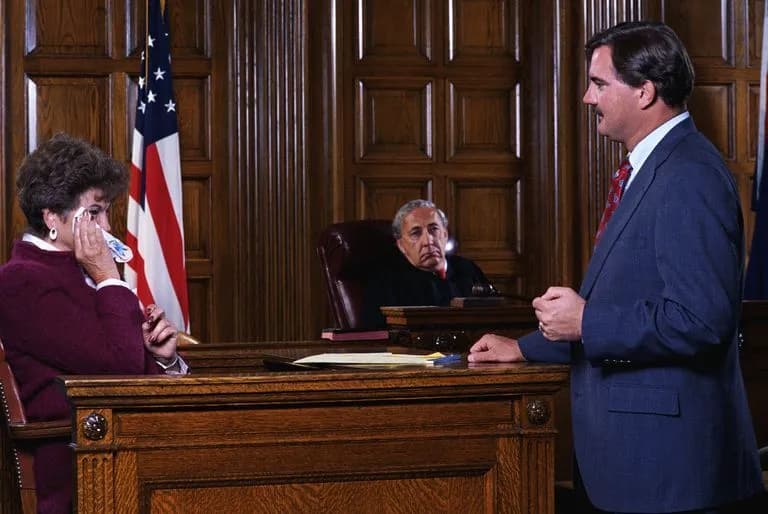
Litigation involves applying to the Alberta Court of Justice or the Alberta Court of King's Bench (depending on the matter and relief sought) and having a judge decide contested issues if the parties can't reach agreement. It offers a binding, enforceable outcome imposed by the court, but at a significantly higher financial and emotional cost, and on a timeline you don't fully control.
When Mediation Usually Works Well
- Both parties are willing to negotiate in reasonably good faith
- There's no significant power imbalance, family violence, or urgent safety concern
- The dispute centers on figuring out fair terms, not on one party refusing to engage at all
When Litigation May Be Necessary
- One party refuses to negotiate or disclose financial information honestly
- There are safety concerns, including family violence or high conflict that make mediation inappropriate
- Urgent relief is needed (e.g., an emergency protection order or urgent parenting arrangement)
A Hybrid Approach
Many Calgary families use a combination — negotiating most issues through mediation or lawyer-assisted negotiation, while reserving court applications for specific, narrower disputes that can't be resolved otherwise.
Frequently asked questions
Is mediation legally binding?
Not on its own — a mediated agreement becomes binding once it's formalized into a signed separation agreement, ideally after each party has received independent legal advice.
Can I go to mediation without a lawyer?
You can, but having a lawyer review any proposed agreement before you sign — even if you didn't have one present during the mediation sessions — is strongly advisable.
Does Alberta require mediation before going to court?
Alberta courts often expect parties to have made reasonable efforts to resolve issues outside of court, and specific processes (like family docket court) are designed to encourage settlement before a full trial.
This article provides general information about Alberta family law processes and is not legal advice. Book a consultation with GSD Law Group to discuss the right approach for your situation.
Contact GSD Law Group: Westwinds (403) 455-2151 · Savanna (403) 475-2157